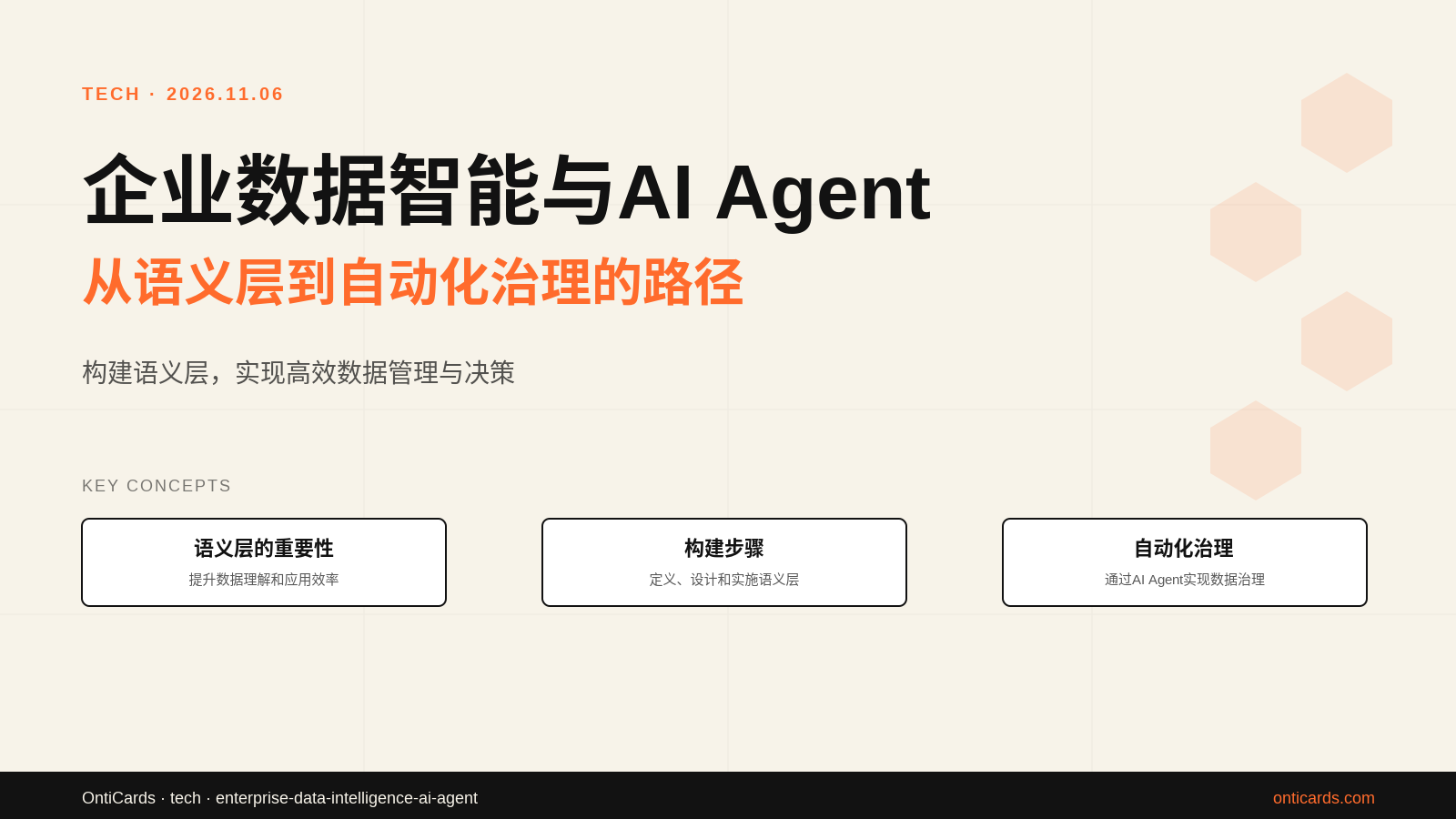
Enterprise Data Intelligence and AI Agents: The Path from Semantic Layer to Automated Governance
This article explores how to effectively manage and utilize corporate data, and improve decision-making efficiency and business performance by constructing a semantic layer, applying NL2SQL technology, and achieving automated governance of AI Agents.
Enterprise Data Intelligence and AI Agents: The Path from Semantic Layer to Automated Governance
As the volume of enterprise data experiences explosive growth, how to effectively utilize this data has become a critical issue. In this context, the application of AI Agents is gradually becoming one of the core tools for enterprise data intelligence. This article will explore the path from semantic layer construction to AI Agent automation, as well as the key points and best practices to be considered in this process.
Importance and Construction of the Semantic Layer
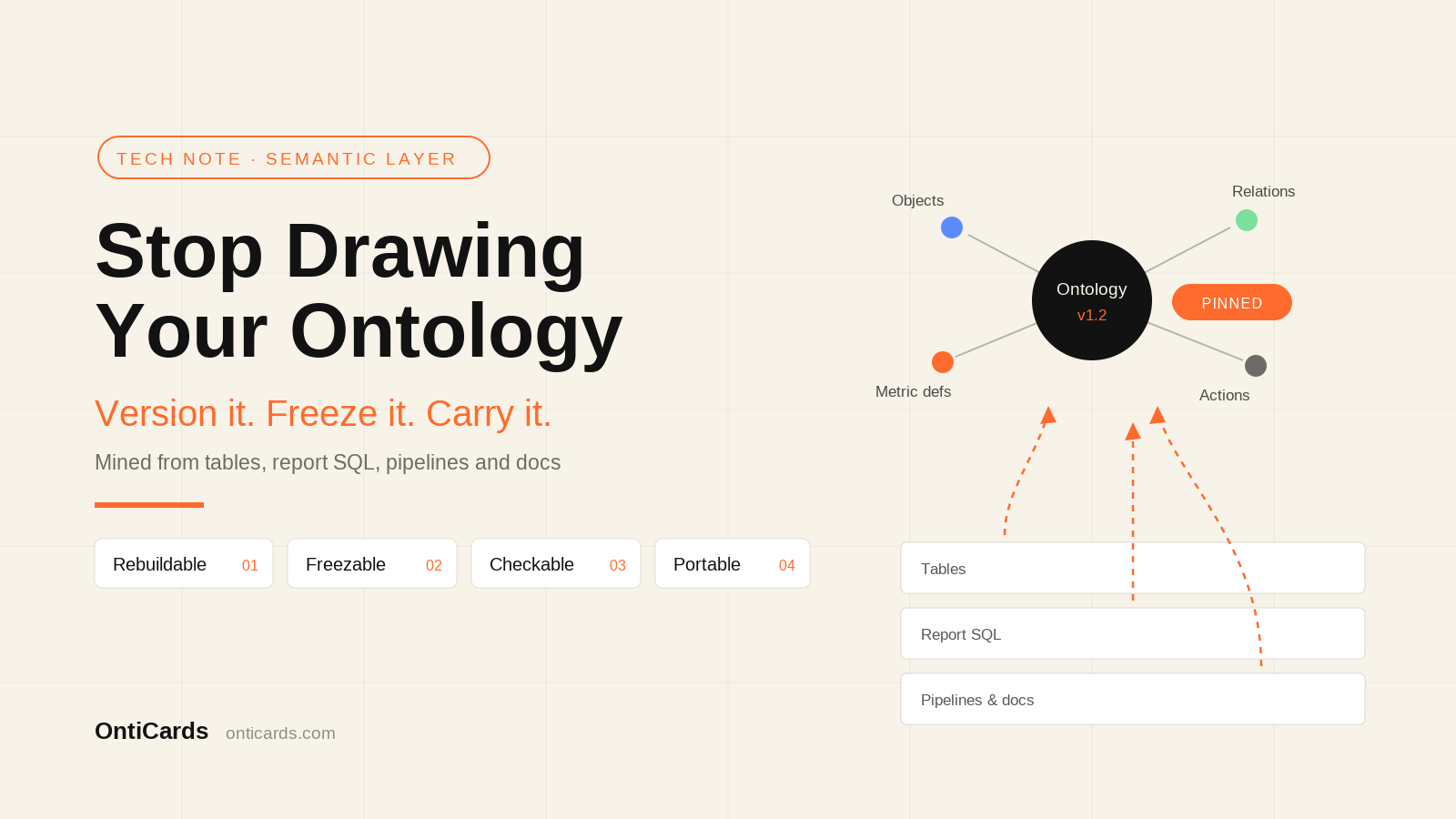
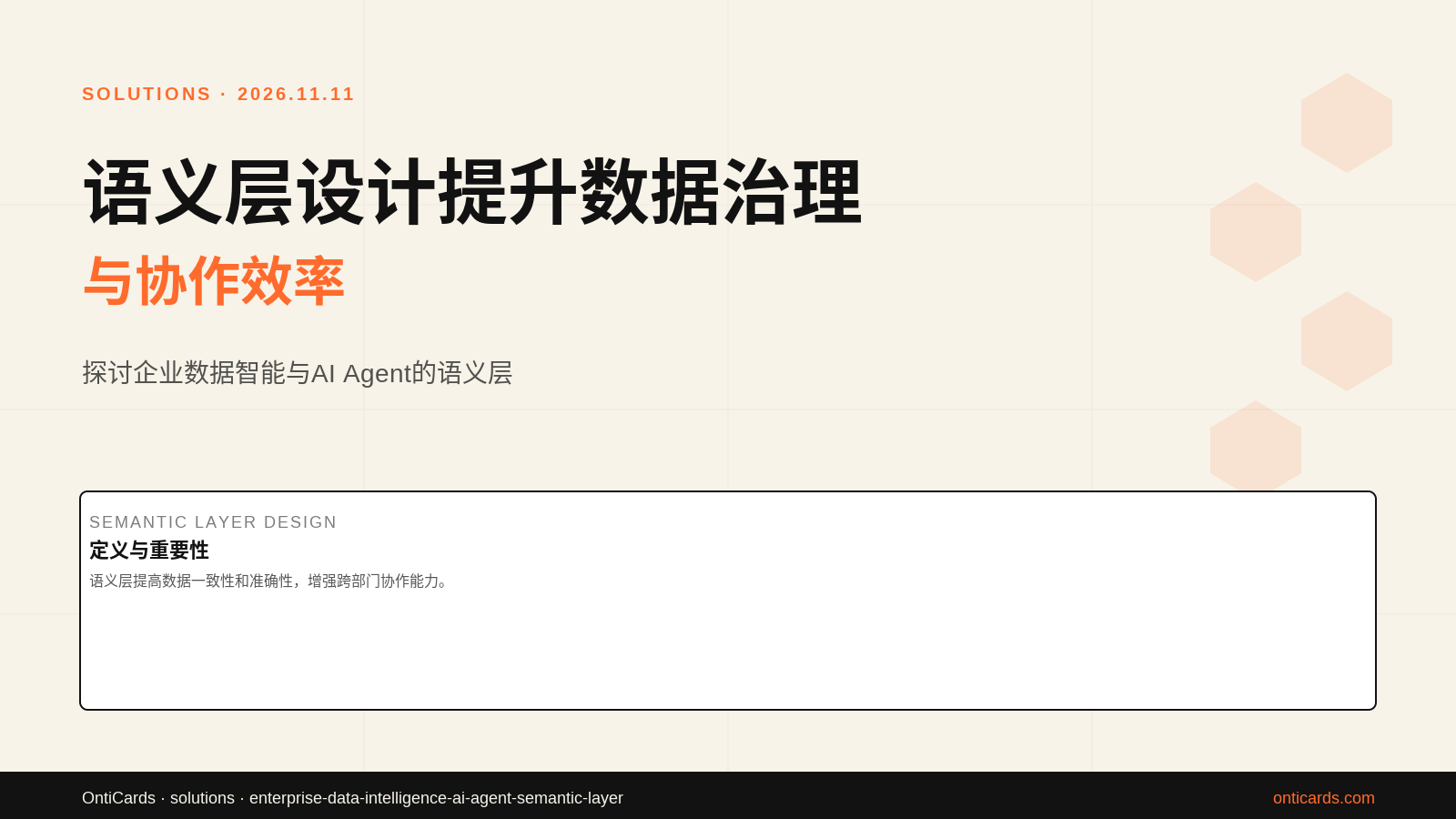
The semantic layer is an important concept in data management and analysis, providing users with a unified view of data, allowing them to query and understand data in a natural language manner. In an enterprise environment, different departments may use different terms and definitions to describe the same thing, which can lead to consistency and accuracy issues. Therefore, establishing a robust semantic layer is particularly important.
1. Role of the Semantic Layer
- Unified Data View: Provides a consistent data representation, eliminating terminology differences between departments.
- Improved Query Efficiency: Simplifies the user's query process through predefined data models and query templates.
- Enhanced Data Security: Ensures that users can only access authorized data through permission management.
2. Steps to Build the Semantic Layer
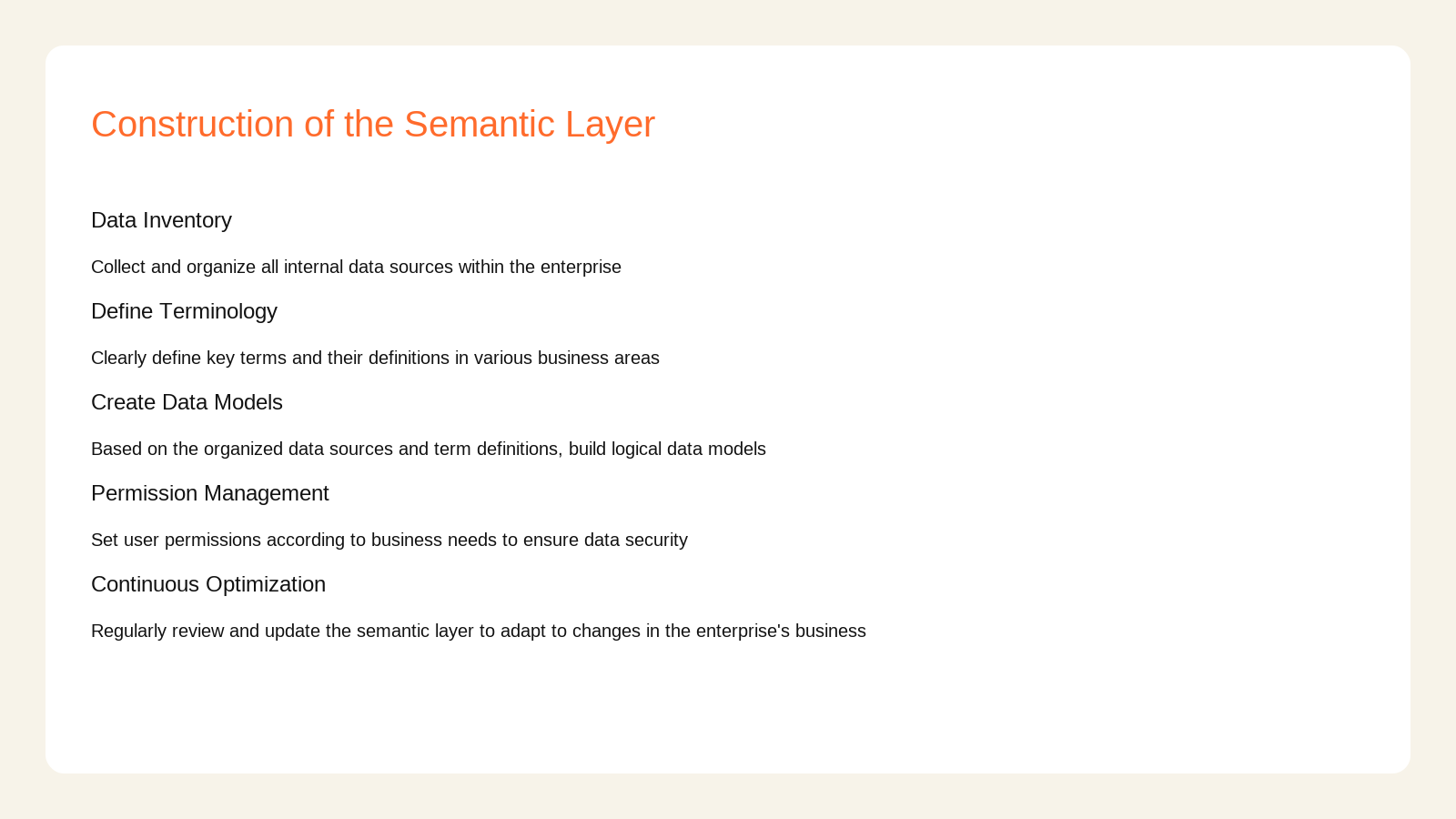
- Data Inventory: Collect and organize all internal data sources within the enterprise, including databases, file systems, etc.
- Define Terminology: Clearly define key terms and their definitions in various business areas to avoid ambiguity.
- Create Data Models: Based on the organized data sources and term definitions, build logical data models.
- Permission Management: Set user permissions according to business needs to ensure data security.
- Continuous Optimization: Regularly review and update the semantic layer to adapt to changes in the enterprise's business.
Application of NL2SQL and Text-to-SQL
NL2SQL (Natural Language to SQL) technology allows users to perform data queries in natural language form without writing complex SQL statements. This technology greatly lowers the barrier for data querying, making it easy for non-technical personnel to obtain the required data. However, to achieve efficient NL2SQL conversion, several key issues need to be addressed:
1. Semantic Parsing
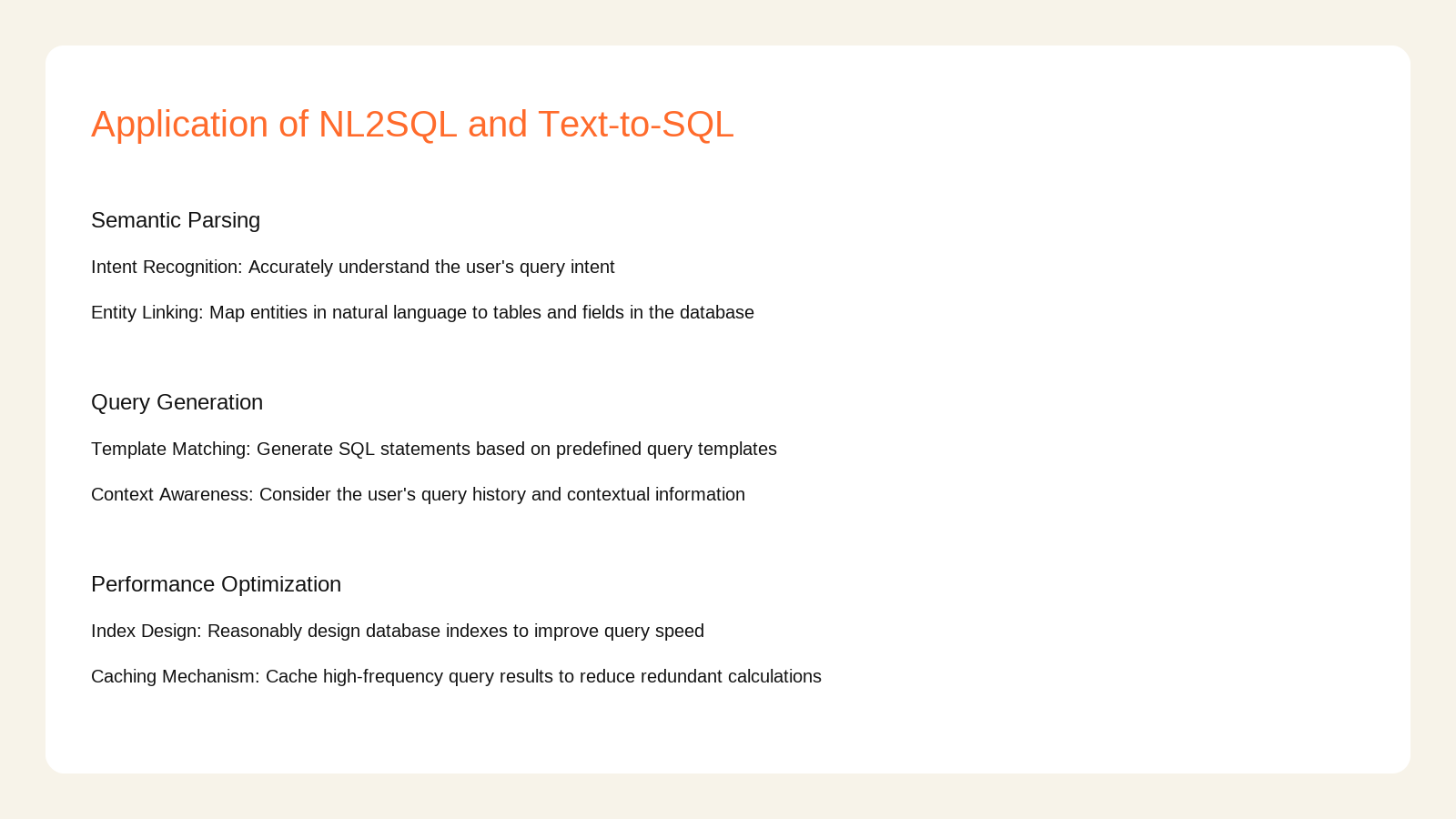
- Intent Recognition: Accurately understand the user's query intent, including the query object, conditions, and goals.
- Entity Linking: Map entities in natural language to tables and fields in the database.
2. Query Generation
- Template Matching: Generate syntactically correct SQL statements based on predefined query templates.
- Context Awareness: Consider the user's query history and contextual information to optimize query results.
3. Performance Optimization
- Index Design: Reasonably design database indexes to improve query speed.
- Caching Mechanism: Cache high-frequency query results to reduce redundant calculations.
In practical applications, combining the semantic layer with NL2SQL technology can significantly enhance the efficiency and user experience of data querying. For example, in collaboration with manufacturing enterprises, a common situation is that the same report does not match between financial and production standards. Through the unification of the semantic layer and efficient NL2SQL querying, such issues can be quickly identified and resolved.
Automated Governance with AI Agents
An AI Agent is an intelligent entity capable of autonomously executing tasks, playing a significant role in enterprise data management and analysis. By combining the semantic layer and NL2SQL technology, AI Agents can more efficiently handle various data operations and decision support tasks.
1. Automated Tasks
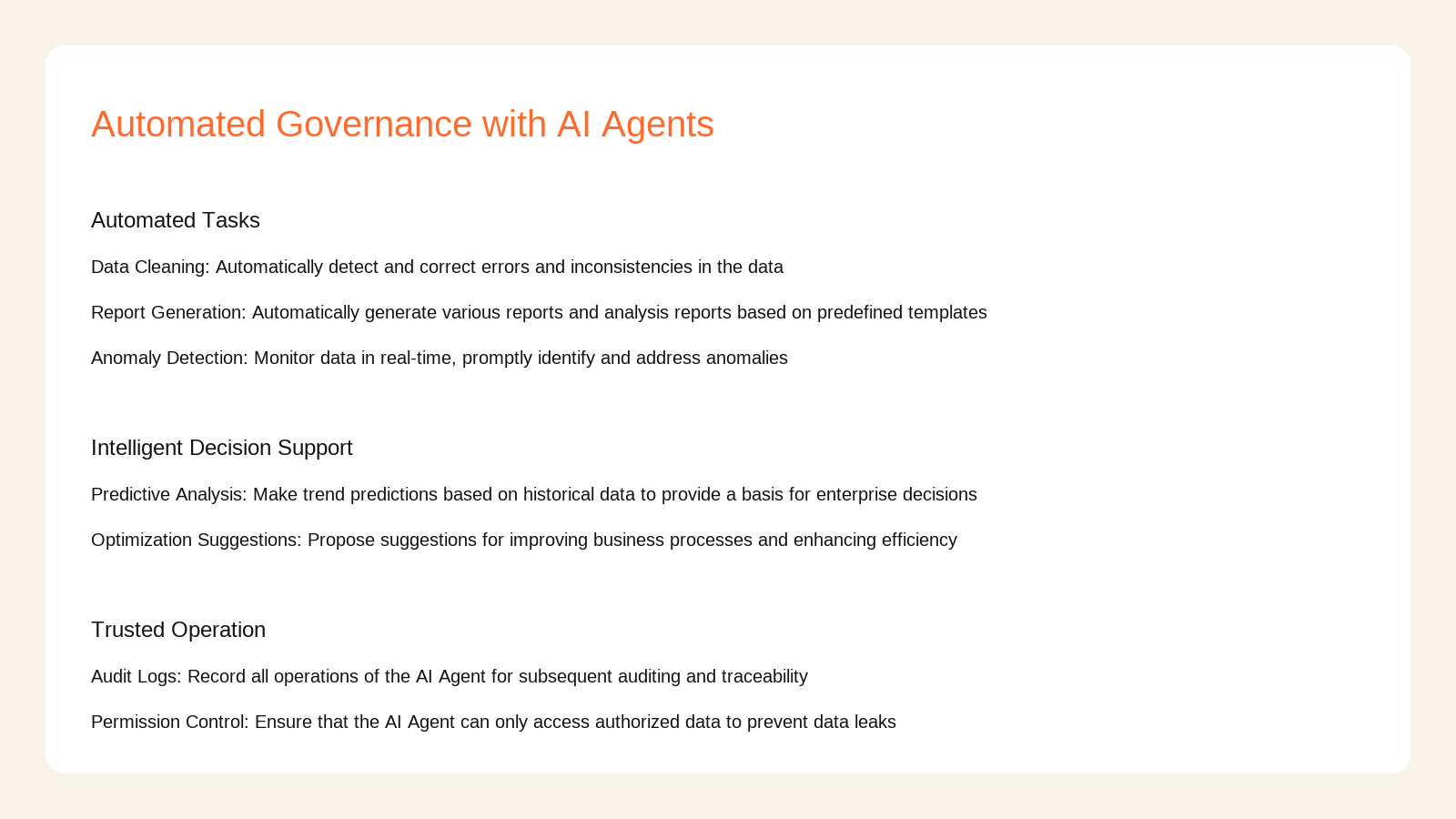
- Data Cleaning: Automatically detect and correct errors and inconsistencies in the data.
- Report Generation: Automatically generate various reports and analysis reports based on predefined templates.
- Anomaly Detection: Monitor data in real-time, promptly identify and address anomalies.
2. Intelligent Decision Support
- Predictive Analysis: Make trend predictions based on historical data to provide a basis for enterprise decisions.
- Optimization Suggestions: Propose suggestions for improving business processes and enhancing efficiency.
3. Trusted Operation
- Audit Logs: Record all operations of the AI Agent for subsequent auditing and traceability.
- Permission Control: Ensure that the AI Agent can only access authorized data to prevent data leaks.
In practical applications, combining the semantic layer with AI Agents can significantly improve the efficiency and reliability of data governance. For example, in collaboration with some clients, a common situation is that inconsistent data standards make reconciliation difficult. Through the automated governance of AI Agents, such issues can be quickly identified and resolved.
Conclusion
In the development of enterprise data intelligence, the construction of the semantic layer, the application of NL2SQL, and the automated governance of AI Agents are three key components. By effectively integrating these three components, enterprises can better manage and utilize data, thereby improving decision-making efficiency and business performance. In the future, as technology continues to advance, these methods will become more mature and widespread, bringing greater value to enterprises.
References
This article is based on publicly available industry information and the author's practical experience.
- (No external references)